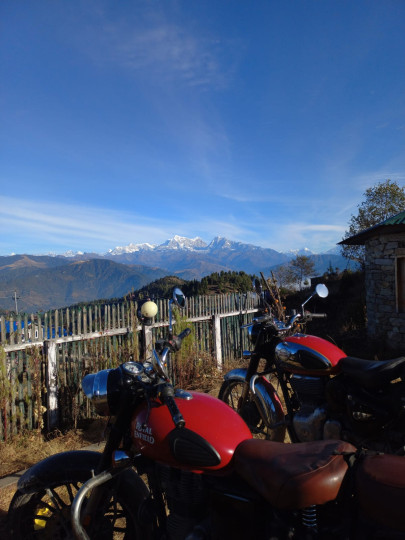
Discover Rara Lake at 2,990m in remote Karnali, Nepal. Explore Rara National Park, hiking, boating, wildlife, birds, villages, and Himalayan landscapes, riding over 2150 km in 10 days.
 Certified
  Sustainable
  Best Price
  Challenge level
 Destination Destination
|
Nepal |
|---|---|
 Activity Activity
|
Motorbike Tours in Nepal |
 Duration Duration
|
10 Days |
 Meals Meals
|
Included (B,L, D) |
 Accomodation Accomodation
|
Hotel and TeaHouse |
 Group size Group size
|
Min 2 people |
 Best Season Best Season
|
March to May and September to November |
 Max Altitude Max Altitude
|
2990 m |
 Trip Code Trip Code
|
RARAMBT10 |
 Transportation Transportation
|
Royal Enfield / Support jeep |
 Grade Grade
|
Moderate |
Rara Lake is one of Nepal’s most remarkable natural destinations, set at 2,990 metres in the remote Karnali region of northwestern Nepal. Surrounded by forested hills, alpine vegetation and distant Himalayan peaks, the lake is known for its exceptionally clear blue and green waters and peaceful natural setting.
Located inside Rara National Park, the lake is Nepal’s largest lake and reaches a maximum depth of about 167 metres. The national park covers approximately 106 square kilometres and protects an important range of Himalayan forests, wildlife and alpine ecosystems.
Rara's natural environment is one of its greatest attractions. The park contains blue pine forests around the lake, together with rhododendron, juniper, spruce, oak, and Himalayan cypress at different elevations.
Wildlife recorded in the park includes red panda, musk deer, Himalayan black bear, Himalayan tahr, leopard, wild boar, common otter, and several other Himalayan species. Rara is also an interesting destination for birdwatchers, with numerous resident and migratory species recorded in the region.
The lake itself supports snow trout, while its surrounding forests and wetlands provide habitat for a variety of birds and other wildlife.
Walking around Rara provides a completely different perspective from simply viewing the lake from the shoreline. Forest trails and nearby viewpoints reveal changing views of the water, hills and surrounding Himalayan landscape.
Chuchemara Hill, reaching about 4,087 metres, is one of the major viewpoints overlooking Rara Lake. From higher ground, the deep blue lake appears surrounded by layers of forested hills and mountain scenery.
A visit to Murma Village and the surrounding highlands can also provide an opportunity to learn about life in this remote part of Nepal.
The Rara journey is also a cultural experience. Communities in the Mugu and Jumla areas have developed ways of life closely connected with the surrounding mountains, forests and agricultural landscapes.
Visitors can experience local hospitality, traditional food, village architecture and everyday life that differs considerably from Nepal's major tourist centres.
Rather than treating the region simply as a scenic destination, responsible travel to Rara should respect local communities, natural resources and the protected environment of Rara National Park.
The most favourable periods generally include spring and autumn, when weather and visibility are usually more suitable for exploring the region. Nepal Tourism Board lists February–April and October–November among the recommended periods for Rara National Park, while its broader Rara destination information also identifies spring, summer and autumn as suitable seasons.
Winter can bring freezing temperatures and snowfall, while the monsoon period can make access more difficult. Conditions in this remote region can change considerably, so current local information should always be checked before travelling.
Rara is not simply a lake to be photographed and left behind. The changing landscape, remote settlements, forests, wildlife and quiet surroundings make the journey itself an important part of the experience.
For travellers interested in nature, photography, birdwatching, Himalayan landscapes and authentic rural Nepal, Rara offers an opportunity to explore a part of the country that remains far removed from the busiest tourist routes.
Rara is very different from Nepal's more developed trekking destinations. The surrounding landscape remains relatively quiet, and the journey into Karnali reveals remote settlements, mountain valleys, forests, and traditional communities.
The lake itself is the main attraction, but there is much more to experience:
Panoramic views of Rara Lake and surrounding mountains
Forest walks and hiking
Boating on Rara Lake
Local villages and traditional lifestyles
Birdwatching and nature photography
Alpine flowers and Himalayan vegetation
Wildlife of Rara National Park
The distinctive landscapes of the Karnali region
Nepal Tourism Board identifies trekking, birdwatching, horse riding, boating, and mountain biking among activities associated with Rara National Park.
Across ten days, the journey combines long-distance motorcycle riding, remote mountain roads, Himalayan landscapes, Rara National Park, local communities, boating and hiking. The highlight is naturally Rara Lake, but the changing landscapes and remote Karnali settlements make the entire route part of the adventure.
Add places for your Rara Lake Motorbike Tour
A 10-day motorbike tour can add other places to visit. Bardia national park, Chitwan National park, Kapilabastu, and Pokhara. These places are very near to our itinerary or on the way.
1 pax – USD 3190
2 Pax – USD 2165 per person
3 Pax – USD 1790 per person
4 Pax – USD 1640 per person
6 pax – USD 1570 per person
8 Pax – USD 1460 per person
10 Pax – USD 1380 per person
| # | Activity | Overnight | Distance / Time | Meals |
|---|---|---|---|---|
| 01 | Kathmandu to Lumbini | Hotel in Lumbini | 292 km / 8–9 hours riding | Breakfast, Lunch, Dinner |
| 02 | Explore Lumbini and Ride to Kohalpur | Hotel in Kohalpur | 270 km / Approx. 6–7 hours | Breakfast + Lunch + Dinner |
| 03 | Kohalpur to Manma, Kalikot | Guesthouse in Manma | 250 km / Approx. 7–8 hours | Breakfast + Lunch + Dinner |
| 04 | Manma to Talcha | Hotel/Guesthouse near Talcha | 150 km / Approx. 7 hours | Breakfast + Lunch + Dinner |
| 05 | Talcha to Rara Lake | Local guesthouse near Rara Lake | Short ride to the park access point + walking to the lake | Breakfast + Lunch + Dinner |
| 06 | Rara Lake Exploration – Murma Top & Murma Village | Guesthouse near Rara Lake | Breakfast + Lunch + Dinner | |
| 07 | Rara Lake Boating & Ride to Jumla | Hotel/Guesthouse in Khalangafast | 123 km / 6–7 hours | Breakfast + Lunch + Dinner |
| 08 | Jumla to Surkhet | Hotel in Surkhet | 241 km / 7–8 hours | Breakfast + Lunch + Dinner |
| 09 | Surkhet to Butwal | Hotel in Butwal | 318 km / Approx. 8 hours | Breakfast + Lunch + Dinner |
| 10 | Butwal to Kathmandu | Hotel and Kathmandu | 270 km / | Breakfast + Lunch |
Kathmandu → Lumbini → Kohalpur → Manma → Talcha → Rara Lake → Jumla → Surkhet → Butwal → Kathmandu
Your Rara Lake motorcycle adventure begins in Kathmandu after breakfast. Leaving the capital behind, we follow Nepal's main highway through a constantly changing landscape. The route initially winds through the hills alongside the Trishuli River before continuing toward the lower valleys and the warmer plains of southern Nepal.
As the altitude gradually decreases, the scenery changes from Himalayan foothills to subtropical forests, agricultural land, villages, and busy roadside settlements. After passing through the Chitwan area, we continue westward toward Lumbini, the birthplace of Lord Buddha.
Arrive in Lumbini in the afternoon or evening and check into your hotel. Depending on your arrival time, you can take a relaxed walk around the area and enjoy the peaceful atmosphere after a long day on the road
Begin the morning with a visit to Lumbini, one of Nepal's most important cultural and spiritual destinations. Explore the Sacred Garden, Maya Devi Temple and the surrounding monastic zone before continuing your motorcycle journey westward.
Leaving Lumbini behind, the road crosses Nepal's Terai plains. The broad highway passes through small towns, farming communities, forests and roadside markets. The landscape is considerably flatter and warmer than Kathmandu, offering a completely different experience from the Himalayan roads that lie ahead.
As you approach Kohalpur, the landscape gradually begins to change. This important transport junction marks the gateway toward western Nepal and the remote Karnali region
Today the character of the adventure changes dramatically. From Kohalpur, we head north toward the mountains and enter Karnali, one of Nepal's most remote and fascinating regions.
The road becomes narrower and more rugged as it follows the contours of deep river valleys and mountain slopes. Expect a mixture of paved and unpaved sections, with occasional rough surfaces, bends, and changing road conditions. The riding is slower than on the Terai highway, but the surrounding scenery becomes increasingly spectacular.
The journey offers glimpses of remote settlements, terraced hillsides, dramatic cliffs and rivers far below the road. This is the beginning of the true Himalayan riding experience.
By late afternoon, we reach Manma, the district headquarters of Kalikot. After checking into the local guesthouse, there is time to rest and prepare for the next day's mountain journey
Today's ride takes you deeper into the remote landscapes of Karnali. Although the distance is shorter, the road conditions and mountainous terrain make this a full day of adventure.
We follow rugged mountain roads through spectacular valleys, passing isolated settlements and dramatic Himalayan scenery along the way. The road may include rough and uneven sections, so today's ride is about enjoying the journey rather than covering distance quickly.
Eventually, we reach the area around Talcha Airport, situated at approximately 2,700 metres. The small mountain airstrip connects the Rara region with Nepalgunj and provides a fascinating reminder of how remote this part of Nepal remains.
With Rara Lake now close, the anticipation begins to build. After checking into the local accommodation, enjoy an evening surrounded by the peaceful mountain landscape.
Today is the day you have been riding toward.
After breakfast, we make the relatively short journey toward Rara National Park. Once we reach the designated motorcycle parking area near the park entrance, the final approach to the lake is made on foot, as motorbikes cannot be ridden all the way to the lakeshore.
A walking trail leads through the surrounding forest toward the first breathtaking views of Rara Lake. After several days of riding through rugged Karnali landscapes, the sight of the deep blue lake surrounded by green hills is an unforgettable reward.
After reaching the lakeshore, settle into the peaceful atmosphere of Rara. Depending on the weather and available time, we can explore sections of the lakeside, photograph the surrounding mountains and forests, and enjoy the changing colours of the water.
Spend the night close to Rara Lake in simple local accommodation.
Today is dedicated entirely to experiencing Rara beyond the lakeshore.
After breakfast, we set out on a scenic hike toward Murma Top, a spectacular viewpoint overlooking Rara Lake and the surrounding Himalayan landscape. The trail climbs through forests and mountain terrain, eventually reaching an elevation of around 4,000 metres, depending on the exact viewpoint reached.
The climb takes approximately three hours and requires a steady pace. From the higher ground, Rara Lake appears in its full grandeur, surrounded by forest-covered hills and distant mountains. It is an ideal place to pause, photograph the landscape, and simply appreciate the remoteness of the region.
After enjoying the viewpoint, descend toward Murma Village, a traditional settlement in the area. The village provides an opportunity to see a different side of life in remote Karnali, meet residents, and observe traditional homes, agriculture, and everyday activities.
After the village visit, return toward Rara for lunch and a well-earned afternoon of relaxation.
The evening can be spent beside the lake, enjoying the quiet surroundings and preparing for the next day's journey.
Wake early for one of the journey's most peaceful experiences: boating on Rara Lake.
Morning light often creates beautiful reflections across the lake, with the surrounding hills mirrored on its clear surface. Enjoy about an hour on the water, depending on local boating conditions and availability.
After breakfast, return to the motorcycle parking area and begin the ride toward Jumla.
The road continues through the rugged landscapes of western Nepal, passing remote settlements, mountain valleys, and highland scenery. After several days in the Rara region, the journey toward Jumla provides another perspective on life in Karnali.
We arrive at Khalanga, the main market area of Jumla, where we spend the night.
Today is one of the longer and more adventurous riding days of the tour.
Leaving Jumla, we follow the mountain roads southward toward Surkhet. The route continues through remote valleys and rugged terrain, with changing road surfaces and spectacular views throughout the journey.
The further we travel toward Surkhet, the more the landscape gradually changes. High mountain scenery gives way to lower valleys, warmer temperatures, and increasingly developed settlements.
This is a day to enjoy the contrast between remote Himalayan Nepal and the more accessible western lowlands. By the time we reach Surkhet, the most challenging sections of the Karnali riding adventure are behind us.
After breakfast, we leave Surkhet and begin our return journey toward the Terai.
The road gradually becomes wider and more comfortable as we descend from the hills toward the lowlands. Along the way, we pass through towns, villages, agricultural areas and forested sections, giving you a final opportunity to appreciate the changing geography of western Nepal.
Today's riding distance is long, but the improved road conditions make the journey considerably easier than the remote Karnali sections.
We continue toward Butwal, an important city and transport hub at the meeting point of Nepal's hills and Terai plains.
After arriving at the hotel, relax and enjoy a comfortable evening.
Your 10-day Rara Lake motorcycle adventure comes to its final riding day.
After breakfast, we begin the journey back toward Kathmandu. The route follows the main highway through the busy lowlands and gradually climbs toward the Kathmandu Valley.
As the road becomes busier, the landscapes change once again from the open plains to the hills surrounding the capital. After approximately 270 kilometres of riding, we arrive in Kathmandu and conclude our journey.
The Rara Lake Motorcycle Tour has taken you from the cultural heart of Kathmandu through the birthplace of Buddha, across the Terai plains and deep into the remote mountains of Karnali, before returning through western Nepal.
For the Rara Motorbike Tour, riders need proper gear for off-road terrain, cold high-altitude weather, dust, wind, river crossings, and remote riding conditions. The route includes rugged gravel roads, sandy sections, rocky jeep tracks, high passes, and limited fuel/service availability, so safety and preparation are essential.
Must Have: A valid driving license from your country or an International Driving Permit.
Use soft waterproof duffel bags or saddlebags instead of hard suitcases. Hard luggage is difficult to manage on rough Rara roads and in support vehicles. Keep your daily essentials, camera, water, documents, rain gear, and warm layer in a small day bag or tank bag.
A well-prepared rider enjoys riding in Nepal more confidently. Good gear protects you from cold wind, dust, altitude, sudden rain, rough roads, and long riding hours.
To book the Rara Lake Motorbike Tour, simply contact Gateway Adventure Treks and Expedition via our website or customer service for availability and detailed information. A 10% deposit is required at the time of booking to secure your spot, with the remaining balance due before the tour starts. Payments can be made through secure methods such as bank transfer, credit card, or online platforms. For cancellations or changes, Gateway Adventure Treks and Expedition provides clear guidelines, with partial refunds available depending on the timing. Be sure to review the booking terms and conditions to ensure a smooth process.
Though we recommend booking in advance to secure your spot on the tour, Gateway Adventure Treks and Expeditions accepts the last- minute bookings. For these bookings, full payment (100% of the tour price) is required at least 24 hours prior to departure. Please note that while we strive to offer flexibility, we cannot be responsible for any delays or unforeseen issues such as weather conditions or unavailable accommodations.
For last- minute bookings or inquiries, contact us at +977- 9851360663 or email us at info@gatewaytreks.com
Experience local culture
Best Price Guaranteed
Well-crafted itinerary
Free Sightseeing & Hotel
gatewaytreks@gmail.com





© Copyright Gateway Adventure Treks and Expedition Pvt. Ltd., 2026 All Rights Reserved