6 Days Ganesh Himal Off-Road Ride via Gatlang, Pangsang La Pass and Ganga Jamuna.
 Certified
  Sustainable
  Best Price
  Challenge level
 Destination Destination
|
Nepal |
|---|---|
 Activity Activity
|
Motorbike Tours in Nepal |
 Duration Duration
|
6 Days |
 Meals Meals
|
Breakfast, Lunch, Dinner |
 Accomodation Accomodation
|
Hotel in Kathmandu, local homestays or lodges on the route |
 Group size Group size
|
2-16 |
 Best Season Best Season
|
March to May and September to November |
 Max Altitude Max Altitude
|
3,842 m / 12,605 ft at Pangsang La Pass |
 Trip Code Trip Code
|
RUBYMBT06 |
 Transportation Transportation
|
Royal Enfield Himalayan 411, Himalayan 450, Honda CRF 250 or similar |
 Grade Grade
|
Moderate |
The Ruby Valley Motorbike Tour is a short but powerful Himalayan riding experience designed for travelers who want to leave the regular tourist highway and enter a quieter mountain corridor close to Kathmandu. The ride connects the cultural atmosphere of the capital with the Tamang villages of the Langtang side, the dramatic viewpoint of Pangsang La Pass, the green ridges of Dhading, and the sacred Ganga Jamuna waterfall area.
This six-day journey is not a long expedition like Upper Mustang or Manang, yet it carries the feeling of a true Himalayan adventure. The route includes paved highways, narrow mountain roads, dirt tracks, forested ridges, remote village trails, high viewpoints, and welcoming homestays. Each day gives a different riding character, from the busy streets of Kathmandu to the peaceful villages below the Ganesh Himal range.
Ruby Valley lies in the Ganesh Himal region, between the better-known Langtang and Manaslu areas. Because it is less commercial than many famous trekking and riding routes, the journey feels more personal and authentic. Instead of large tourist crowds, riders meet local families, village hosts, farmers, pilgrims, children walking to school, and communities whose daily lives still follow the rhythm of the mountains.
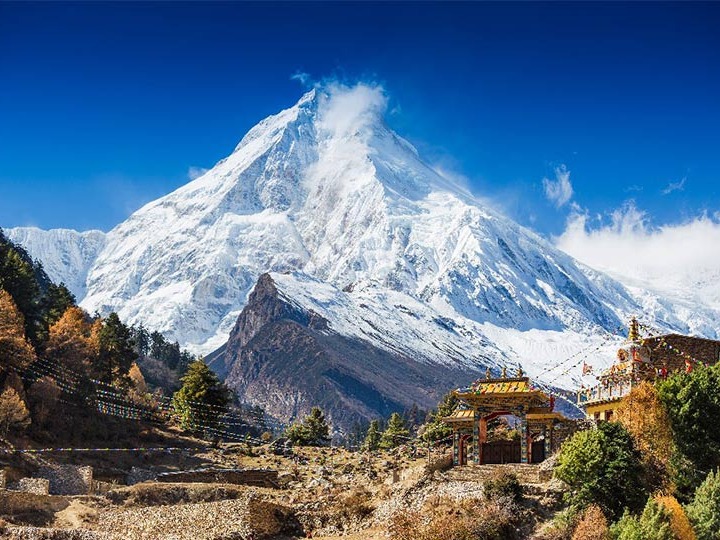
The tour is best suited for riders who want a compact off-road package with culture, scenery, and challenge in a manageable time frame. It is also suitable for travelers who have limited days in Nepal but still want a serious mountain ride rather than a simple city or highway tour. The highest point is Pangsang La Pass at approximately 3,842 meters, where wide views of Ganesh Himal, Langtang, Manaslu, Himalchuli, Lamjung, Annapurna, and surrounding ridgelines can be seen on clear days.
The journey is operated by Gateway Adventure Treks and Expedition with careful route planning, local coordination, experienced riding support, basic mechanical backup, and accommodation arrangements. The focus is not only to reach the destination, but to create a safe, meaningful and memorable riding experience through one of Nepal’s hidden mountain regions.
|
Place |
What Makes It Memorable |
|
Kathmandu |
Arrival, cultural atmosphere, riding briefing, equipment check, and short test ride. |
|
Trishuli Valley |
Scenic highway riding through riverside towns, hills, and changing rural landscapes. |
|
Syabrubesi and Gatlang |
Gateway to the Langtang side and a strong introduction to Tamang village culture. |
|
Pangsang La Pass |
Highest point of the tour, with wide Himalayan views and demanding off-road riding. |
|
Tipling |
Remote village stay with warm hospitality and a real mountain community atmosphere. |
|
Phulkharka |
Cultural village area connected with Ganga Jamuna waterfall and local pilgrimage traditions. |
|
Ganga Jamuna Waterfall |
A sacred and scenic natural highlight, ideal for soft exploration and photography. |
|
Dhading Route |
A rewarding descent through green hills, rural roads, and village landscapes back toward Kathmandu. |
The Ruby Valley route is a rewarding mix of highway, mountain road, and off-road trail. The first stage begins with paved and semi-paved roads out of Kathmandu, but the riding character gradually changes as the journey moves north toward Syabrubesi and Gatlang. Traffic becomes lighter, villages become smaller, and the road begins to feel more remote.
From Gatlang toward Tipling, the journey enters its most adventurous section. The route passes around Parvati Kunda, open pastures, rough village tracks, isolated ridges and the high crossing of Pangsang La Pass. Riders should expect dust, rocks, mud patches in wetter periods, uneven surfaces, narrow bends and occasional steep sections. The scenery is exceptional, but the route requires attention, balance and patient riding.
The section toward Phulkharka and Ganga Jamuna gives a different riding mood. It moves through green hills, mixed communities, and sacred waterfall landscapes. The final ride back to Kathmandu gradually returns to broader roads and more familiar traffic, making the journey feel like a complete loop from city to remote mountain and back again.
This is a moderate ride, but it is not a casual city road experience. Riders should be comfortable with long hours on the bike, rough ground, mountain corners, group riding discipline, and changing weather. Beginners with strong confidence and guide support may join, but previous mountain-road or gravel-road experience will make the journey more enjoyable.
Road conditions in Ruby Valley can change significantly with weather and local road maintenance. The actual route may be adjusted for safety and accessibility.
This package is designed for riders who want a short Himalayan ride with real off-road value. It is suitable for travelers who do not have enough time for Upper Mustang or Manang but still want a route with altitude, village life, waterfalls, mountain passes, and cultural depth.
The strength of the Ruby Valley Motorbike Tour is the way the route changes place by place. Instead of presenting the journey only as daily distances, Gateway Adventure can describe the tour through the identity of each important stop. This helps readers understand why the ride is different from ordinary highway tours and why Ruby Valley deserves its own position in the bike tour list.
Kathmandu is more than a starting point. It is where riders adjust to Nepal’s traffic rhythm, complete the final briefing, and prepare mentally for the mountain roads. The evening test ride is important because road behavior in Nepal can be very different from what international riders are used to. Narrow lanes, mixed traffic, pedestrians, scooters, taxis, and sudden turns all help riders become alert before entering the rural highway.
The ride out of Kathmandu toward the Trishuli corridor introduces riders to Nepal’s middle-hill road system. The landscape becomes greener, traffic gradually reduces and the route begins to follow valleys, rivers and hillside settlements. This section is useful for building confidence before the more remote dirt roads begin.
Syabrubesi works as a gateway to the Langtang-side hills, while Gatlang gives the first strong cultural identity of the tour. Gatlang is known for Tamang settlement patterns, traditional homes, local farms, and a calm village environment. The overnight stay here should be presented as a cultural experience, not only as a place to sleep.
The route beyond Gatlang can pass close to Parvati Kunda and higher pasture landscapes depending on the road condition and final route selection. This area adds a spiritual and natural layer to the journey. Riders begin to feel that they are moving from a village road into a more open Himalayan environment.
The ride toward Pangsang La Pass is the most important adventure section of the tour. The road can be rocky, dusty, and exposed, but the views are rewarding. Pangsang La is a dramatic high point of the route, both physically and emotionally. On a clear day, the views toward Ganesh Himal and neighboring ranges make this section the defining memory of the journey.
Tipling gives riders a chance to experience a quieter and more remote village setting. After the challenge of Pangsang La, the village stay feels meaningful because riders are no longer just passing through landscapes. They are staying among people who live in the mountain environment every day.
Phulkharka and the Ganga Jamuna area add a completely different identity to the tour. The twin waterfalls, local shrines, village traditions, and mixed Hindu and Buddhist influence make this day culturally rich.
Dhading Besi to Kathmandu: Return to the Main Road
The final ride back toward Kathmandu reconnects the journey with the wider road system. This return creates contrast: remote tracks slowly give way to larger roads, then highway traffic and finally the busy streets of Kathmandu. This contrast helps complete the travel story and gives riders a clear sense of achievement.
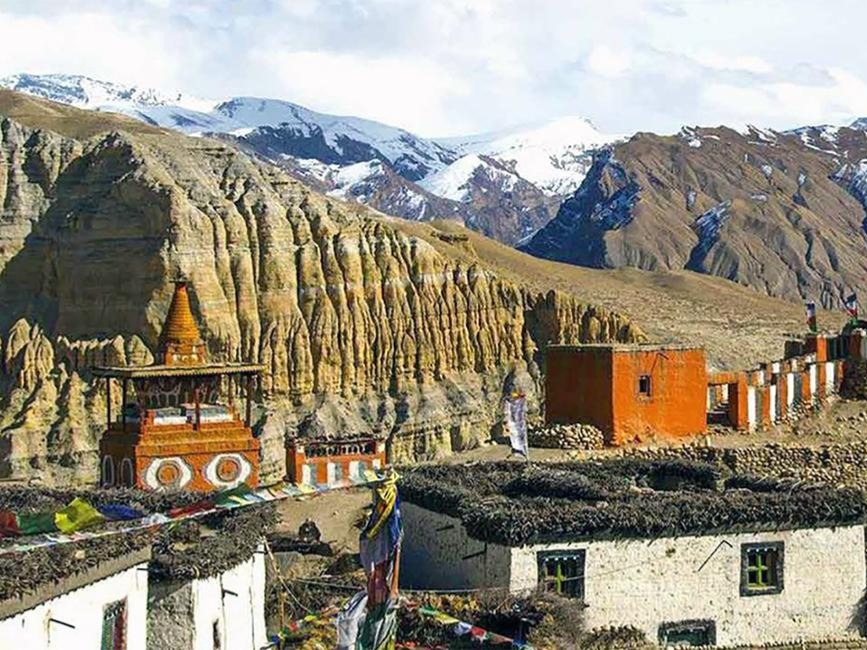
One of the most valuable parts of the Ruby Valley Motorbike Tour is the interaction with Tamang communities. The route passes through villages where hospitality, local food, Buddhist symbols, traditional homes, and community life remain important. Riders should be encouraged to slow down, greet people respectfully, and treat the stay as a cultural exchange rather than only a road adventure.
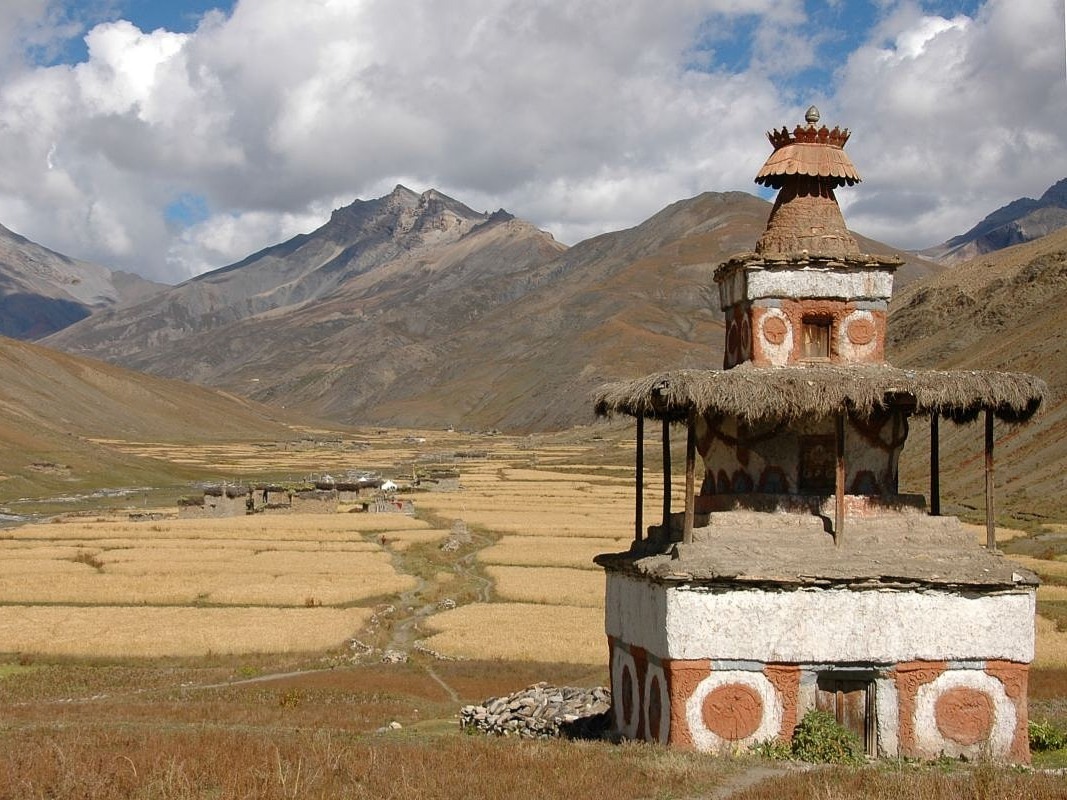
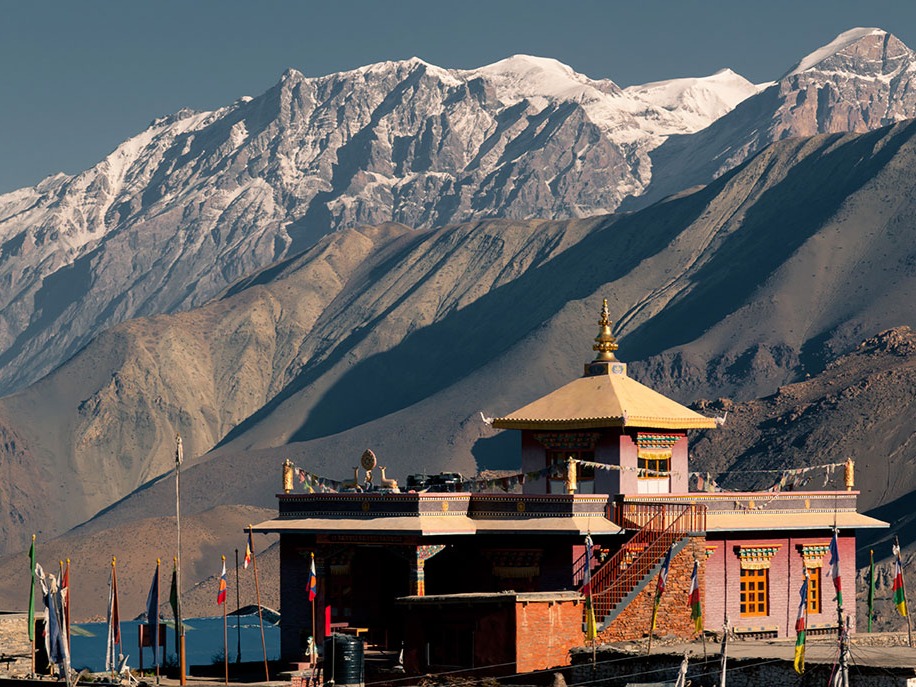
The tour crosses areas where Hindu and Buddhist practices exist side by side. Prayer flags, chortens, shrines, temples, sacred water sources, and village rituals may appear in different sections of the journey. This combination gives the route a layered identity and makes the Ruby Valley package more culturally meaningful than a simple off-road ride.
Ganesh Himal is the central mountain identity of the trip, but on clear days riders may also see parts of Langtang, Manaslu, Himalchuli, Lamjung, Annapurna, Shringi and Jugal Himal from selected viewpoints. Mountain visibility depends on season, weather, and clarity of days.
The route offers a combination of forested roads, waterfalls, streams, farmlands and highland tracks. Ganga Jamuna is the most symbolic waterfall stop, while smaller streams and rural landscapes appear throughout the ride. These elements make the route visually diverse despite being only six days long.
Homestays and local lodges should be presented honestly. They are simple and may not have the same comfort as hotels in Kathmandu, but they offer warmth, authenticity and direct contact with local life.
|
Group Size |
Price |
|
1 person |
US$ 1000 per person |
|
2 people |
US$ 750 per person |
|
3 to 5 people |
US$ 700 per person |
|
6 to 10 people |
US$ 650 per person |
|
11 or more people |
US$ 600 per person |
The above prices are provided as a package guide and can be adjusted according to motorbike type, hotel category, support vehicle requirement, group size, private departure date, meal plan, and additional services. Final quotation should be confirmed by Gateway Adventure Treks and Expedition before booking.
The standard package includes comfortable three-star hotel accommodation in Kathmandu. Riders who prefer more comfort before and after the off-road journey can upgrade to a four-star or five-star hotel. This is especially useful for travelers arriving after a long international flight or riders who want a more relaxed recovery night after completing the route.
A support vehicle can be arranged to carry luggage, spare parts, tools and personal items. It also provides additional comfort for riders who may become tired during long riding days. A support vehicle is highly recommended for larger groups, riders with camera equipment or private groups wanting a more premium travel experience.
This tour can be organized as a private departure for families, friends, corporate teams, or rider groups. Private departures allow flexible stops, a comfortable riding pace, photography breaks, and adjustments to accommodation style.
The best seasons for the Ruby Valley Motorbike Tour are spring, from March to May, and autumn, from September to November. These months usually provide clearer skies, more stable weather, better visibility, and more comfortable riding conditions. Spring brings warmer days, fresh vegetation and blooming flowers in the lower hills, while autumn offers crisp air, dry trails and excellent mountain views after the monsoon.
Winter, from December to February, can also be possible for experienced riders, but cold mornings, frost and occasional snow near higher sections may affect the route. The ride remains below extreme Himalayan pass altitude, but Pangsang La Pass can still be cold and exposed. Proper warm clothing, gloves, windproof layers, and flexibility are necessary in winter.
Monsoon, from June to August, is the least recommended period. Rain can make dirt tracks slippery, muddy, and difficult to control. Landslides, poor visibility, and road damage may also affect the route. If a monsoon ride is requested, the itinerary should be reviewed carefully, and backup plans should be prepared.
The Ruby Valley Motorbike Tour is graded moderate, but the word moderate should be understood in the context of Nepal’s mountain roads. This is not a smooth highway-only journey. Riders should expect long riding days, rough dirt roads, uneven village tracks, altitude gain, narrow bends, loose stones, and occasional steep sections.
The most demanding section is the ride from Gatlang toward Tipling via Pangsang La Pass. The trail can be rough, dusty, and technical depending on weather and recent road conditions. Riders must be able to control the bike at slow speed, use the clutch and brakes carefully, maintain balance on loose surfaces, and follow the guide’s instructions.
The tour can be joined by confident riders with basic off-road exposure. Complete beginners should first practice on gravel roads, uphill and downhill sections, narrow turns and low-speed control. A calm riding attitude is more important than speed. The route rewards patience, control and respect for mountain conditions.
The highest point of the tour is Pangsang La Pass at approximately 3,842 m. Although the tour does not involve prolonged travel at very high altitude, some travelers may experience symptoms related to altitude. Riders should inform the guide if they feel unwell. The itinerary may be adjusted according to health, weather and road conditions.
Motorbike Options
Gateway Adventure normally selects bikes that are practical for Nepal’s rough mountain roads. The final bike model depends on availability, rider preference, package category, and route condition.
The Royal Enfield Himalayan is a practical choice for Nepal’s mixed roads. It has a comfortable riding position, good low-end control and enough stability for gravel, dirt and long-distance riding. It is also easier to repair in Nepal compared with many imported bikes, which makes it useful for remote routes.
The Honda CRF 250 is lighter and more off-road focused. Riders who prefer a nimble bike for dirt tracks, rocky sections, and technical riding may choose this upgrade if available. It is especially useful for riders who want easier handling on rougher trails.
Before departure, the guide and mechanic will inspect the bike, including brakes, clutch, tires, lights, chain, fuel level and basic controls. Riders should also pay attention to the bike each morning and report any unusual sound, handling issue or mechanical concern immediately.
Each riding day begins with a short briefing from the guide. The briefing includes the expected route, approximate riding time, road condition, fuel plan, rest stops, lunch stop, weather concerns and the location of the overnight stay. Riders should listen carefully because mountain conditions can change quickly.
The guide or road captain will usually lead the ride, and riders should maintain the agreed order unless instructed otherwise. Faster riders should avoid overtaking inside the group without permission. Slower riders should not feel pressured to ride beyond their comfort level. A successful Ruby Valley ride depends on teamwork, discipline and steady pacing rather than speed.
During rough sections, the guide may stop the group and explain how to cross a difficult patch. Riders may be asked to pass one by one, keep distance or walk the bike if necessary. If a support vehicle is included, it may not be able to follow every very narrow section, so riders should keep only essential items with them and pack carefully.
At the end of each day, riders should report any bike issue to the guide or mechanic. Small issues such as loose mirrors, weak brakes, chain noise or clutch discomfort should be solved early before they become bigger problems on the next day.
Safety is one of the most important parts of this journey. The route is beautiful, but it passes through remote hills where weather, road condition and mechanical issues can affect the day. The guide will manage the riding pace, rest stops, route decisions and group discipline.
The accommodation style is part of the Ruby Valley experience. Kathmandu offers standard hotel comfort, while the riding route uses local homestays, lodges or teahouses depending on availability. Rooms in remote villages are simple, usually with twin beds, basic bedding and shared facilities. Attached bathrooms may not be available everywhere.
Local stays are not luxury hotels, but they offer warmth, hospitality and a direct connection with the communities along the route. Travelers should expect simple rooms, local food, basic toilets, limited hot showers and limited charging options in some places. This simplicity is part of what makes the journey authentic.
Meals along the route usually include Dal Bhat, noodles, soup, eggs, potatoes, momos, seasonal vegetables, tea and local dishes. Tamang and hill-community food experiences may be available depending on the village. In Phulkharka or nearby areas, travelers may also encounter local Brahmin and hill-style dishes such as Sel Roti, Dhindo, Gundruk, Pakoda or similar homemade food when available.
Travel insurance is strongly required for the Ruby Valley Motorbike Tour. Every rider should arrange a policy that covers motorbike riding, medical treatment, accident expenses, emergency rescue, evacuation, trip interruption, and personal liability. Because this is a motorbike journey on rough mountain roads, a normal travel policy may not be enough.
Riders should confirm with their insurance provider that off-road motorbike touring, riding in Nepal, altitudes up to around 4,000 meters, and emergency evacuation are included. Insurance should also cover personal accident-related expenses, medical bills, property loss, third-party claims, and trip cancellation if possible.
Bike insurance is not included in the standard package unless clearly mentioned. Motorcycle damage caused by accident, rough handling, negligence, misuse, theft, or violation of guide instructions will be the rider’s responsibility.
Depending on the destination, you may need a TIMS card, conservation-area or national-park entry permit, or a special trekking permit for restricted areas. Nepal Tourism Board provides route-specific information on these requirements.
Gateway checks the applicable requirements for your itinerary and assists with the necessary arrangements.
TIMS stands for Trekkers' Information Management System. It is used to register trekkers and support trekking management and safety.
Current requirements vary by trekking region, and Nepal Tourism Board identifies a number of routes where a licensed guide and agency-issued TIMS card are required.
Yes. Where required, Gateway can arrange the applicable trekking documentation as part of your trip arrangements.
Yes. Upper Mustang is a restricted trekking area, and travelers require the applicable special trekking permit in addition to other required documentation.
Gateway can arrange the required permits and guide services for an Upper Mustang itinerary.
Accommodation depends on the route. Popular trekking regions generally have teahouses and lodges, while more remote routes may have simpler accommodation or require camping.
Gateway clearly identifies the expected accommodation standard in each itinerary.
Private rooms are available on many routes where lodges have them, although availability can be limited at higher elevations or during busy trekking seasons.
If you prefer a private room, tell Gateway when requesting your quotation.
Teahouses and lodges generally offer a selection of local and familiar meals. The exact menu depends on the region and altitude.
Gateway specifies which meals are included in each individual package.
Yes. Inform Gateway about dietary requirements when booking so suitable arrangements can be discussed with the accommodation providers.
Altitude-related illness can occur when traveling to high elevations. The risk depends on factors including altitude, rate of ascent and individual response.
Gateway's guides monitor travelers throughout the trek, but no trekking company can guarantee that altitude illness will not occur.
High-altitude itineraries are designed with appropriate acclimatization days where required. Guides monitor the group and may recommend rest, descent or itinerary changes when conditions require it.
Your insurance should cover the activities and maximum altitude of your itinerary. For high-altitude trekking, travelers should carefully check whether their policy covers emergency evacuation, trekking at the required altitude and the specific activities included in the trip.
Gateway can provide the itinerary details you need when checking your insurance coverage.
Helicopter rescue is available in Nepal in appropriate circumstances, subject to weather, location, operational availability and insurance or payment arrangements.
Gateway can coordinate emergency assistance when required, but travelers should have appropriate insurance before starting a high-altitude trek.
For popular trekking seasons, booking in advance is recommended, particularly for larger groups, fixed departure dates and routes with limited accommodation.
Private trips can often be arranged more flexibly depending on availability.
Yes. Gateway can customize itineraries according to duration, trekking region, accommodation standard, group size, interests and budget.
Yes. This is one of the advantages of arranging a private trip.
A journey can combine trekking with experiences such as:
Yes. Where the route allows flexibility, Gateway can modify the itinerary to suit your available travel time.
However, some trekking routes require a minimum number of days for acclimatization and safe completion.
Yes. Extra nights can usually be added before or after your main itinerary, subject to hotel availability.
Yes. Gateway Adventure Treks and Expedition provides a range of Nepal travel experiences, including trekking, heritage tours, spiritual journeys, wildlife and safari trips, motorbike tours, mountain flights, helicopter tours, birdwatching, expeditions and customized travel programs.
Yes. Gateway can combine transportation, accommodation, guides, sightseeing, trekking, adventure activities and other travel services into one customized itinerary.
Yes. Airport transfers can be arranged as part of your Nepal travel program.
Yes. Domestic flights can be incorporated into suitable itineraries, including routes involving destinations such as Lukla, Pokhara, Jomsom and other domestic airports, subject to flight schedules and operating conditions.
Yes. Helicopter sightseeing and charter arrangements can be incorporated into suitable Nepal itineraries, including Himalayan sightseeing and trekking-related helicopter services.
Yes. Gateway offers motorcycle adventures through destinations including Manang, Tilicho Lake, Mustang, Ruby Valley, Pikey Peak and other Himalayan regions.
Motorcycle models depend on the particular tour, fleet availability and rider requirements. Gateway should specify the available model, engine capacity, fuel arrangement and rental conditions for each individual motorcycle tour.
Adventure motorcycle tours in Nepal can involve paved roads, gravel, dirt tracks, steep sections and changing road conditions depending on the route.
Previous experience with the relevant type of motorcycle and riding conditions is recommended for challenging routes.
This depends on the specific package. Gateway should clearly state whether a support vehicle, mechanic, luggage transport and spare parts are included or available as optional services.
Yes. Private motorcycle tours can be arranged for individuals, couples, families or groups, subject to the route and operational requirements.
Gateway aims to work with local guides, accommodation providers, transport operators and community-based businesses where practical. Choosing locally operated accommodation and services helps keep tourism expenditure within destination communities.
Travelers can help by respecting local communities and cultural traditions, minimizing waste, avoiding unnecessary plastic, using established trails and following the guidance of local authorities and guides.
Carry personal waste until it can be disposed of properly. Avoid leaving plastic, batteries or other waste along trails.
On remote routes, responsible waste management is particularly important.
Gateway Adventure Treks and Expedition is a Nepal-based travel company offering trekking, adventure, cultural, spiritual, wildlife and customized travel experiences.
Our approach is to design trips around the traveler's interests rather than offering only fixed itineraries.
Yes. Family itineraries can be customized according to children's ages, travel pace, accommodation preferences and destinations. The suitability of a particular high-altitude trek should be assessed individually.
Yes. Private itineraries can be arranged for solo travelers, subject to route requirements and applicable guide or permit regulations.
Yes. Gateway can arrange private and group travel programs for families, friends, organizations, educational groups and other travelers.
| # | Activity | Overnight | Max. Altitute | Distance / Time | Meals |
|---|---|---|---|---|---|
| 01 | Arrival in Kathmandu and Evening Test Ride | Hotel in Kathmandu | 1350 m | 30 min | NA |
| 02 | Ride from Kathmandu to Gatlang Village | Hotel/Lodge | 2563 m | 120 to 140 km / | Breakfast + Dinner |
| 03 | Ride from Gatlang to Tipling via Pangsang La Pass | Homestay or local lodge in Tipling | 3842 m | 30 to 45 km / | Breakfast + Lunch + Dinner |
| 04 | Ride from Tipling to Phulkharka and Explore Ganga Jamuna | Teahouse or local homestay | 7-8 Hours | Breakfast + Lunch + Dinner | |
| 05 | Ride from Phulkharka to Kathmandu | Hotel | 1350 m | 7 to 8 hours | Breakfast |
| 06 | Final Departure from Kathmandu | 1350 m | Breakfast |
Kathmandu, Syabrubesi, Gatlang, Pangsang La Pass, Tipling, Phulkharka, Kathmandu
Welcome to Kathmandu, the starting point of your Ruby Valley Motorbike Tour. After completing arrival formalities at Tribhuvan International Airport, a representative from Gateway Adventure Treks and Expedition will receive you and transfer you to your hotel. The first part of the day is kept relaxed so you can rest after your flight and prepare for the ride ahead.
Later, the guide will conduct a detailed trip briefing. This session covers the riding route, road condition, safety expectations, daily timing, group riding rules, weather conditions, accommodation style and documents required for the journey. This is also the right time to ask questions about the route, luggage, support vehicle, permits, riding gear and personal preparation.
In the evening, riders will inspect the motorcycles and take a short test ride around Kathmandu. The purpose is to become familiar with the bike, clutch response, braking, turning style, local traffic flow and left-side driving in Nepal. Any minor adjustment to handlebar, mirror, brake lever or luggage setup can be discussed before the main journey begins.
The evening is free in Thamel or near the hotel. You may buy last-minute riding gear, exchange money, arrange a local SIM card or enjoy a relaxed dinner before the off-road adventure begins the next morning.
After breakfast, we leave Kathmandu and begin the northbound ride toward the Trishuli corridor. The early section passes through busy city traffic before gradually opening into hills, riverside settlements and terraced landscapes. This is the day when riders begin to feel the transition from urban Nepal to the mountain road network.
The route follows the Pasang Lhamu Highway and moves through Betrawati, Trishuli, Dhunche and Syabrubesi, depending on road conditions and the final riding plan. The road includes paved sections, narrow curves, uneven mountain stretches and occasional rough patches. The riding becomes more scenic as the hills rise and the air becomes cooler.
Syabrubesi is an important gateway settlement for the Langtang side. From here, the ride continues toward Gatlang, a traditional Tamang village located above the valley. This section gives the first strong cultural impression of the journey, with stone houses, local farms, Buddhist symbols, prayer flags and mountain village life.
On arrival in Gatlang, we settle into a local homestay or lodge. The evening is an opportunity to meet local hosts, enjoy simple mountain hospitality and rest after a long day on the road.
Today is the most adventurous and technical riding day of the Ruby Valley Motorbike Tour. After breakfast in Gatlang, we begin riding toward the higher mountain trail. The distance may not look long on paper, but the terrain demands focus, patience and steady control. Road conditions can include dirt tracks, rocky patches, loose gravel, narrow turns, and changing gradients.
Gatlang → Parvati Kunda → Yuri Kharka → Somdang → Pangsang La → Tipling
The route can pass near Parvati Kunda, an important local site associated with Goddess Parvati, before moving toward high pastures and remote mountain terrain. As the settlements become fewer, the riding begins to feel more isolated and raw. Riders should maintain distance, avoid unnecessary speed and follow the guide’s line through rough sections.
The highlight of the day is Pangsang La Pass at about 3,842 meters. On clear days, this high point rewards riders with sweeping views of Ganesh Himal, Manaslu, Langtang, Himalchuli, Lamjung, Annapurna and nearby ridgelines. It is one of the most beautiful viewpoints of the journey and also the highest elevation reached during the tour.
After enjoying the pass, we descend gradually toward Tipling. The ride down still requires care because loose stones, bends and narrow rural tracks may continue. On arrival in Tipling, we stay in a simple homestay or lodge and enjoy the quiet atmosphere of a remote mountain village.
After breakfast, we leave Tipling and continue through the rural landscapes of Dhading. The trail passes through villages such as Sertung, Jharlang and Borang, depending on the final route and road condition. This section shows a softer side of the journey, with green hills, traditional settlements, farmlands and a warmer cultural atmosphere.
The ride remains adventurous, with a mix of dirt roads, uneven tracks, local village routes and occasional smoother sections. The route is less about speed and more about immersion. Riders will have opportunities to stop for photography, village views and short interaction with local people.
The major highlight of the day is the Ganga Jamuna waterfall area. The twin waterfalls are respected both as a natural attraction and as a sacred site. The surrounding area is connected with Hindu pilgrimage traditions, local worship and village gatherings. Nearby cultural and spiritual places add meaning to the visit.
Phulkharka and its surrounding communities offer a rich mix of Tamang, Brahmin, Chhetri, Kami and other local groups. This gives the day a strong cultural identity, different from the Tamang-dominant settlements of the previous days. In the evening, we stay in a local lodge or homestay, enjoying village hospitality and simple mountain food.
Today we complete the riding loop and return to Kathmandu. The journey begins with rural roads out of Phulkharka and gradually connects with the larger road system of Dhading. The landscape changes again, moving from quiet village trails to busier roads and finally to the main highway corridor toward Kathmandu.
The ride passes through Dhading Besi or nearby settlements, depending on route condition, before connecting toward Naubise and the Prithvi Highway. After several days of village roads and remote mountain sections, the return to paved highway feels smoother and more familiar, although riders should remain careful because traffic increases near Kathmandu.
As we enter the capital, the guide will lead the group through the urban traffic toward the hotel. After check-in, riders can rest, take a shower, return riding gear and enjoy free time in Thamel. A farewell dinner can be arranged in the evening to celebrate the successful completion of the Ruby Valley Motorbike Tour.
This final riding day closes the journey with a strong sense of contrast: remote ridges, sacred waterfalls, village roads, green hills, highway riding and the lively city atmosphere of Kathmandu.
After breakfast, you may have free time depending on your international flight schedule. You can use the morning for packing, buying souvenirs, short walks around Thamel or simply relaxing after the ride.
Gateway Adventure Treks and Expedition will arrange your transfer to Tribhuvan International Airport according to your departure time. The Ruby Valley Motorbike Tour ends with memories of hidden mountain roads, village hospitality, waterfalls, high passes and the Ganesh Himal landscape.
Arrival, Departure and Hotel Services
Accommodation during Ruby Valley Ride
Meals during the Tour
Permits and Official Documentation
Motorcycle and Riding Support
Guide, Crew and Safety Support
Transportation and Logistics
Cultural and Experience-Based Services
Use soft waterproof duffel bags or saddlebags instead of hard suitcases. Hard luggage is difficult to manage on rough Mustang roads and in support vehicles. Keep your daily essentials, camera, water, documents, rain gear, and warm layer in a small day bag or tank bag.
A well-prepared rider enjoys riding in Nepal more confidently. Good gear protects you from cold wind, dust, altitude, sudden rain, rough roads, and long riding hours.
Mobile network is available in many lower settlements, but coverage can become weak or unstable in remote sections of Ruby Valley. NTC generally has stronger coverage in many mountain areas compared with some other networks, but signal quality depends on location, weather, and local infrastructure.
Riders are advised to buy a Nepali SIM card or eSIM in Kathmandu before departure. Download offline maps, save emergency contacts, and inform family that connection may be irregular during the route. Some homestays or lodges may offer WiFi for a small fee, but it should be treated as a bonus rather than a guarantee.
Ruby Valley is a living cultural landscape, not just a riding destination. Riders should respect local communities, religious sites, village customs, and the natural environment. A respectful attitude creates a better experience for both travelers and hosts.
The Ruby Valley Motorbike Tour can be customized depending on group interest, riding level, and road conditions. Some groups may prefer a slower cultural route, while experienced riders may choose a more adventurous extension. Any extension should be reviewed carefully for safety, permits, road conditions, and accommodation availability.
|
Day |
Program |
|
Day 01 |
Arrival in Kathmandu, trip briefing and evening test ride |
|
Day 02 |
Ride from Kathmandu to Gatlang Village via Trishuli, Dhunche and Syabrubesi |
|
Day 03 |
Ride from Gatlang to Tipling via Parvati Kunda, Somdang and Pangsang La Pass |
|
Day 04 |
Ride from Tipling to Phulkharka and explore the Ganga Jamuna area |
|
Day 05 |
Ride from Phulkharka to Kathmandu through Dhading Besi and Prithvi Highway |
|
Day 06 |
Final departure from Kathmandu Airport |
This tour is best suited for riders with previous motorbike experience, especially on rough or mixed terrain. You do not need to be a professional rider, but you should be confident handling a motorcycle for long hours and comfortable with gravel roads, dust, water crossings, and uphill or downhill switchbacks.
For the Upper Mustang Motorbike Tour, we recommend using a reliable adventure or dual-sport motorcycle suitable for high-altitude off-road riding, gravel tracks, sandy sections, river crossings, and steep mountain trails. The right bike makes the journey safer, smoother, and more enjoyable.
Minimum Recommended Bike:
A 350cc to 450cc dual-sport or adventure motorcycle is suitable for this route. Royal Enfield Himalayan 450 or 411, Honda CRF 250, are some options. But must understand that these models demand more time to be managed. These bikes offer a good balance of control, durability, and handling on rough Himalayan terrain.
Not Recommended:
Heavy street touring motorcycles or large adventure bikes weighing over 220 kg are not recommended for this route. The terrain includes narrow tracks, rocky sections, sand, water crossings, and steep switchbacks, where heavy bikes can become difficult to control, especially at altitude.
Fuel Planning:
Fuel availability becomes limited after Pokhara and Jomsom. Riders should plan carefully and carry additional fuel from Kagbeni before entering Upper Mustang. Fuel in Lo Manthang may be limited, irregular, or available only through local jerry cans, so proper fuel management is essential throughout the ride.
For most riders, the Royal Enfield Himalayan 450cc is one of the most practical choices for this tour. It is powerful enough for the Mustang route, easier to handle on rough terrain, and well-suited for Nepal’s mountain roads.
Good preparation makes the Ruby Valley ride safer and more enjoyable. The route may be short in days, but several days involve long hours and demanding terrain. Riders should prepare both physically and technically before joining the tour.
Riders should be comfortable with long riding days and uneven gravel or dirt roads. Previous off-road riding experience is recommended.
To book the Ruby Valley Motorbike Tour, simply contact Gateway Adventure Treks and Expedition via our website or customer service for availability and detailed information. A 10% deposit is required at the time of booking to secure your spot, with the remaining balance due before the tour starts. Payments can be made through secure methods such as bank transfer, credit card, or online platforms. For cancellations or changes, Gateway Adventure Treks and Expedition provides clear guidelines, with partial refunds available depending on the timing. Be sure to review the booking terms and conditions to ensure a smooth process.
Though we recommend booking in advance to secure your spot on the tour, Gateway Adventure Treks and Expeditions accepts the last- minute bookings. For these bookings, full payment (100% of the tour price) is required at least 24 hours prior to departure. Please note that while we strive to offer flexibility, we cannot be responsible for any delays or unforeseen issues such as weather conditions or unavailable accommodations.
For last- minute bookings or inquiries, contact us at +977- 9851360663 or email us at info@gatewaytreks.com
Experience local culture
Best Price Guaranteed
Well-crafted itinerary
Free Sightseeing & Hotel
gatewaytreks@gmail.com






© Copyright Gateway Adventure Treks and Expedition Pvt. Ltd., 2026 All Rights Reserved